

Allergy Attacks and Allergic Reactions: Know When to Seek Urgent Care
When seasonal triggers or sudden environmental exposure lead to severe discomfort, prompt medical attention can stop an allergy attack in its tracks. At Eastway Medical Clinic, Dr. Sylvia Okoye, MD, and Dr. Joseph Okoye, MD, help patients find fast relief from troublesome allergic reactions. Our walk-in center provides professional assessments, customized symptom management, and specialized testing to handle your allergies efficiently before they escalate. For more information, please contact us or book an appointment online. We are conveniently located at 1220 Eastway Drive Charlotte, NC 28205.
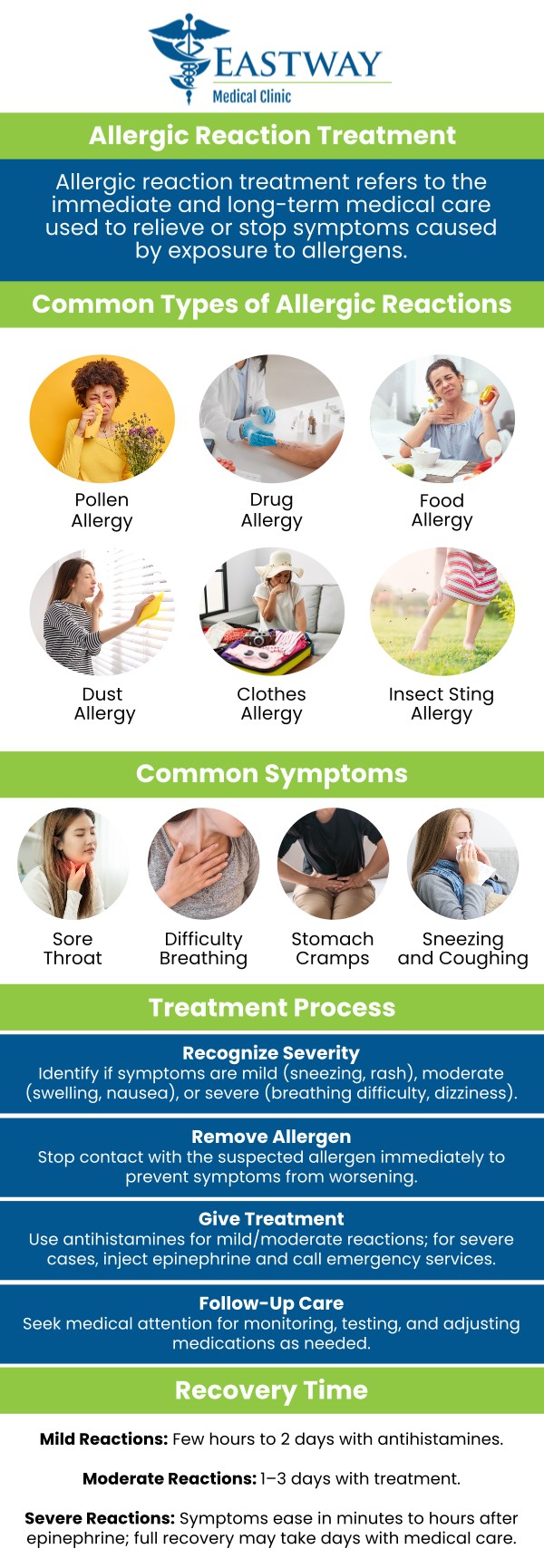
Table of Contents:
What is the difference between a seasonal allergy and an allergic reaction?
What are the common symptoms of a mild to moderate allergic reaction?
What are the common symptoms of anaphylaxis, and how should they be treated?
Can over-the-counter medications help manage allergy attacks, or should you seek urgent care?
When Should You Visit Dr. Sylvia Okoye and Dr. Joseph Okoye for an Allergy Attack?
At Eastway Medical Clinic, we frequently help patients manage and understand allergies, especially as the seasons change. Seasonal allergies—also known as hay fever or allergic rhinitis—occur when your immune system overreacts to airborne allergens such as pollen from trees, grasses, or weeds. These allergens are most prevalent during certain times of the year, and common symptoms include sneezing, a runny or stuffy nose, itchy eyes, and sometimes a scratchy throat. If you notice these symptoms returning each year around the same time, you may be experiencing seasonal allergies.
It’s important to understand that an allergic reaction is a broader term. This refers to your body’s immune response to any allergen, not just those present seasonally. Triggers can include certain foods, medications, insect stings, latex, or pet dander, as well as environmental allergens like pollen. Allergic reactions can range from mild, such as hives or itching, to severe symptoms like swelling, difficulty breathing, or even anaphylaxis—a life-threatening emergency.
At Eastway Medical Clinic, our experienced providers can help determine whether you’re dealing with seasonal allergies or another type of allergic reaction. We offer comprehensive evaluations, personalized treatment plans, and can provide guidance on both prevention and management. If you have persistent allergy symptoms or experience any severe reactions, we encourage you to reach out to us for expert care.
At Eastway Medical Clinic, we frequently see patients experiencing mild to moderate allergic reactions. These reactions can affect the skin, respiratory system, or digestive tract. Common symptoms include itching or hives—raised, red, and sometimes blotchy patches on the skin—as well as swelling, particularly around the eyes, lips, face, or hands. Patients may also notice nasal symptoms like sneezing, a runny or stuffy nose, mild coughing, and watery or itchy eyes. Occasionally, mild abdominal discomfort, nausea, or diarrhea can occur.
These symptoms typically appear within minutes to a few hours after exposure to an allergen and are generally not life-threatening. However, it is important to closely monitor symptoms, as severe allergic reactions can develop. At Eastway Medical Clinic, our team is here to evaluate your symptoms, provide appropriate treatment, and guide you on when further care is needed. If you notice your symptoms worsening or experience new issues such as difficulty breathing or throat tightness, please seek immediate medical attention or call 911.
At Eastway Medical Clinic, your safety and well-being are our top priorities. Anaphylaxis is a severe, potentially life-threatening allergic reaction that can develop rapidly—often within minutes—after exposure to common allergens such as certain foods, medications, insect stings, or latex. Recognizing the signs and knowing what to do in an emergency can save lives.
Symptoms and What to Watch For
Anaphylaxis usually affects multiple body systems. Early warning signs may include skin reactions like hives, redness, or swelling, especially around the face, lips, or eyes. You may also notice itching, a sense of warmth, or flushing. Respiratory symptoms are common and may present as difficulty breathing, wheezing, coughing, tightness in the throat, or the sensation of a lump in the throat. Swelling of the tongue or throat can quickly block the airway, making it a medical emergency.
Other symptoms can include abdominal pain, nausea, vomiting, diarrhea, dizziness, fainting, or a rapid, weak pulse. In severe cases, anaphylaxis can cause a sudden drop in blood pressure, shock, or loss of consciousness.
What to Do: Immediate Action Saves Lives
If you suspect someone is experiencing anaphylaxis, immediate action is critical:
• Administer Epinephrine: The first and most important treatment is epinephrine, often given via an auto-injector (such as an EpiPen) if available. Epinephrine is the only medication proven to reverse anaphylaxis symptoms, and it should be administered as soon as possible, even if you’re unsure of the severity.
• Call 911: After using epinephrine, call emergency services immediately. The person will need further medical evaluation and observation in a hospital setting.
• Positioning: While waiting for help, have the person lie down with legs elevated, unless they are having difficulty breathing, in which case they should sit up.
• CPR: If the person stops breathing or loses consciousness, begin CPR if you are trained.
Other medications, such as antihistamines or corticosteroids, may be given by healthcare professionals, but these are not substitutes for epinephrine.
How Eastway Medical Clinic Can Help
At Eastway Medical Clinic, our team is trained to quickly recognize and treat anaphylaxis. If you or a loved one are at risk for severe allergic reactions, we can provide:
• Personalized allergy risk assessments
• Education on avoiding triggers
• Training on how to use epinephrine auto-injectors
• Emergency action plans for home, school, or work
At Eastway Medical Clinic, we understand how disruptive allergy symptoms can be. Over-the-counter (OTC) medications are often effective for relieving mild to moderate symptoms such as sneezing, nasal congestion, itchy eyes, or a runny nose. Common options include antihistamines like cetirizine (Zyrtec), loratadine (Claritin), or fexofenadine (Allegra), as well as nasal corticosteroid sprays like fluticasone (Flonase). These readily available medications can ease discomfort for many patients dealing with seasonal or environmental allergies.
However, not all allergy symptoms should be managed at home. If you experience severe reactions—including difficulty breathing, swelling of the face or throat, dizziness, chest tightness, or if your symptoms do not improve with OTC treatments—it’s important to seek immediate medical care. These can be signs of a serious allergic reaction (anaphylaxis) that requires urgent attention.
At Eastway Medical Clinic, our experienced providers are here to help if you have underlying health concerns, take other medications, or are unsure about which allergy medicine is best for you. We can recommend safe and effective treatment tailored to your specific needs.
Managing sudden allergy symptoms can be overwhelming, but knowing where to go ensures your family receives the right support quickly. At Eastway Medical Clinic, board-certified physicians Dr. Sylvia Okoye, MD, and Dr. Joseph Okoye, MD, offer prompt, same-day urgent care for children and adults experiencing non-life-threatening allergic reactions.
If you are dealing with uncomfortable symptoms like localized hives, persistent itching, or mild seasonal flare-ups, their walk-in clinic provides rapid relief and specialized allergy testing. By choosing Dr. Sylvia Okoye and Dr. Joseph Okoye for moderate attacks, you can avoid long emergency room waits while getting the expert care needed to breathe easy again.
If you are experiencing severe allergic symptoms, please call 911 or visit the nearest emergency room immediately. For routine allergy support or non-urgent questions, schedule an appointment with Eastway Medical Clinic today. For more information, contact us. We are conveniently located at 1220 Eastway Drive Charlotte, NC 28205. We serve patients from Charlotte NC, Newell NC, Mint Hill NC, Matthews NC, Allen NC, Harrisburg NC, and surrounding cities.
Check Out Our 5 Star Reviews



 Send Text
 How May I Help You?